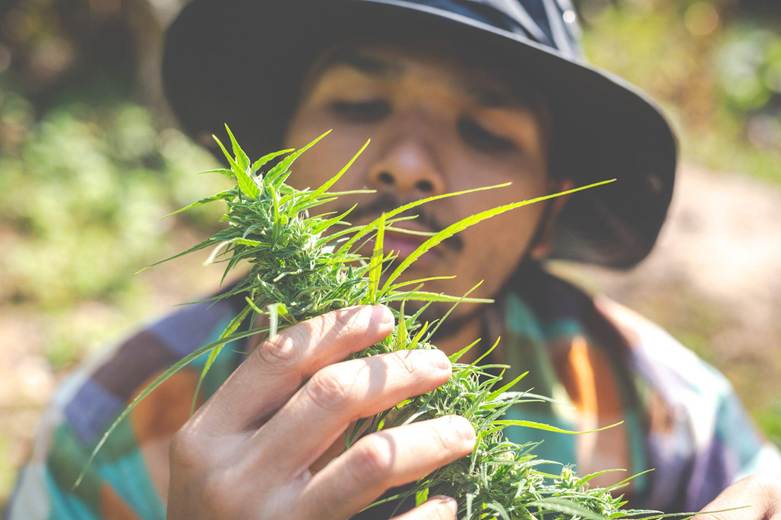
As legal cannabis markets continue expanding across the United States, Daniel Fung of CT has increasingly observed a more profound transformation taking place beneath the surface of legalization and retail growth. Cannabis is no longer being positioned solely through the language of medicine, regulation, or symptom management. Instead, the industry is rapidly evolving into something far more identity-driven, emotionally curated, and lifestyle-oriented.
What began as a heavily medicalized and compliance-focused sector is increasingly adopting the behavioral architecture of luxury wellness, consumer branding, hospitality, and experiential retail. This transition represents more than a marketing trend. It signals a fundamental identity shift inside the cannabis industry itself.
Cannabis Was Once Marketed Primarily Through Medical Credibility
In the earlier stages of legalization, cannabis companies focused heavily on legitimacy. Much of the industry’s public messaging revolved around medical applications, symptom management, patient access, and therapeutic research. Retail environments reflected this mindset as well. Dispensaries often resembled clinical spaces where education, compliance, and regulation took precedence over aesthetics or emotional branding.
The language surrounding cannabis was deeply pharmaceutical in tone. Conversations centered around:
- dosage,
- conditions,
- treatment support,
- cannabinoid science,
- and physician oversight.
This framing helped the industry move away from decades of stigma and prohibition. Medical positioning created a pathway toward public acceptance because it aligned cannabis with healthcare rather than counterculture.
Over time, however, the market began evolving beyond that original framework.
Retail Cannabis Now Looks More Like Lifestyle Commerce
Modern cannabis retail environments are increasingly designed around experience rather than simply transaction. In many cities, dispensaries now resemble boutique wellness stores, luxury skincare retailers, or high-end hospitality spaces.
The atmosphere often emphasizes:
- minimalist interior design,
- sensory engagement,
- curated product presentation,
- personalized recommendations,
- and emotional comfort.
This change reflects a broader transformation in consumer behavior. Modern consumers increasingly purchase products not only for functionality but also for identity alignment and lifestyle expression.
Cannabis companies are adapting accordingly.
Instead of focusing exclusively on therapeutic language, brands now use terms associated with wellness and emotional experience. Marketing frequently revolves around concepts like balance, recovery, creativity, mindfulness, focus, and relaxation.
The difference may appear subtle on the surface, but psychologically it is significant.
Why Lifestyle Branding Changes Consumer Perception
Lifestyle branding does more than make products visually appealing. It changes how consumers emotionally interpret the product itself.
Behavioral psychology has long shown that presentation influences perceived risk, trust, and familiarity. Products marketed through calming aesthetics and wellness-oriented messaging often feel more approachable and emotionally safe to consumers.
That effect is becoming increasingly visible within cannabis culture.
Products are now frequently integrated into conversations surrounding:
- self-care routines,
- fitness recovery,
- stress management,
- creative productivity,
- and social wellness.
As cannabis becomes associated with these environments, the substance itself begins to feel less clinical and more culturally normalized.
This normalization is one of the industry’s most important ongoing transformations.
The Industry Is Moving Toward Emotional Differentiation
In highly competitive markets, emotional branding often becomes more valuable than functional differentiation alone.
Earlier cannabis companies primarily competed through:
- legality,
- access,
- licensing,
- and product availability.
Today, competition increasingly revolves around:
- brand identity,
- consumer loyalty,
- cultural relevance,
- and lifestyle alignment.
Consumers are not simply choosing cannabis products based on cannabinoid content anymore. Many are choosing brands that reflect a specific atmosphere, personality, or emotional experience.
This shift mirrors what has already happened in industries such as:
- coffee,
- athletic apparel,
- skincare,
- premium beverages,
- and boutique hospitality.
The product becomes part of a larger identity ecosystem.
Wellness Culture Has Accelerated the Transformation
The overlap between cannabis and wellness culture has expanded rapidly over the last several years. Cannabis products are increasingly marketed alongside broader health and lifestyle conversations involving mindfulness, sleep, recovery, and emotional balance.
According to the National Institutes of Health, public interest in cannabinoids and wellness-related applications has continued to rise as legal markets mature and product accessibility expands.
This has encouraged brands to position cannabis less as an isolated product category and more as part of an integrated lifestyle experience.
Examples now include:
- low-dose social beverages,
- post-workout recovery products,
- sleep-oriented formulations,
- infused wellness products,
- and functional microdosing systems.
The messaging surrounding these products often feels closer to modern wellness culture than traditional cannabis culture.
The “Apple-ification” of Cannabis Retail
One of the clearest examples of this identity shift is the growing emphasis on retail aesthetics and customer experience.
Many cannabis retailers now prioritize:
- architectural design,
- customer flow,
- sensory atmosphere,
- educational interaction,
- and visual branding consistency.
This approach resembles what many analysts describe as the “Apple-ification” of retail, where emotional simplicity and curated experience become central to consumer trust.
The goal is no longer simply to sell products. The goal is to create an environment that communicates sophistication, reliability, and belonging.
This strategy matters because modern consumers often associate design quality with product quality.
Branding Is Sometimes Influencing Behavior More Than Chemistry
An increasingly important reality inside cannabis markets is that consumer behavior is often shaped as much by branding as by cannabinoid composition itself.
Packaging, naming conventions, visual identity, and retail presentation can strongly influence:
- expectation,
- mood interpretation,
- purchasing confidence,
- and perceived product effects.
This phenomenon is not unique to cannabis. Similar patterns exist in:
- luxury wine markets,
- premium coffee culture,
- fragrance branding,
- and wellness supplements.
However, the cannabis industry occupies a unique position because branding intersects directly with public health, psychoactive effects, and behavioral perception.
That creates a greater responsibility around how products are framed.
The Risk of Oversimplification
While lifestyle branding has helped normalize cannabis, it also introduces potential complications.
Aesthetic marketing can sometimes soften consumer caution, particularly when products are presented primarily through wellness-oriented language.
According to the Centers for Disease Control and Prevention, cannabis affects individuals differently depending on:
- potency,
- delivery method,
- frequency of use,
- metabolism,
- and neurological sensitivity.
However, highly polished branding environments may unintentionally create the perception that all products are universally manageable or low-risk.
This is especially relevant as newer consumers enter the market without extensive prior cannabis experience.
The challenge for the industry is balancing accessibility and sophistication with responsible educational clarity.
Cannabis Is Becoming a Cultural Product
One of the most important developments is that cannabis is increasingly functioning as more than a regulated substance or wellness product. It is becoming a cultural identity marker.
Consumers now interact with cannabis through:
- social rituals,
- aesthetic preferences,
- lifestyle values,
- and emotional signaling.
In many ways, the industry is evolving similarly to:
- boutique fitness culture,
- specialty coffee movements,
- premium beverage branding,
- and experiential hospitality industries.
Cannabis companies are no longer simply selling products.
They are selling environments, identities, routines, and emotional experiences.
Final Thoughts
The cannabis industry is undergoing a major identity transformation. What once framed the issue primarily through medical necessity and regulatory compliance now increasingly positions it through lifestyle aesthetics, emotional branding, and experiential consumer culture.
This evolution reflects a larger shift in how consumers psychologically relate to cannabis itself. The conversation now centers on more than just legality or therapeutic use. It now involves identity, design, wellness culture, social signaling, and behavioral experience.
As the industry continues maturing, long-term influence may belong to the organizations capable of balancing innovation, branding sophistication, consumer education, and public trust within an increasingly lifestyle-driven marketplace.